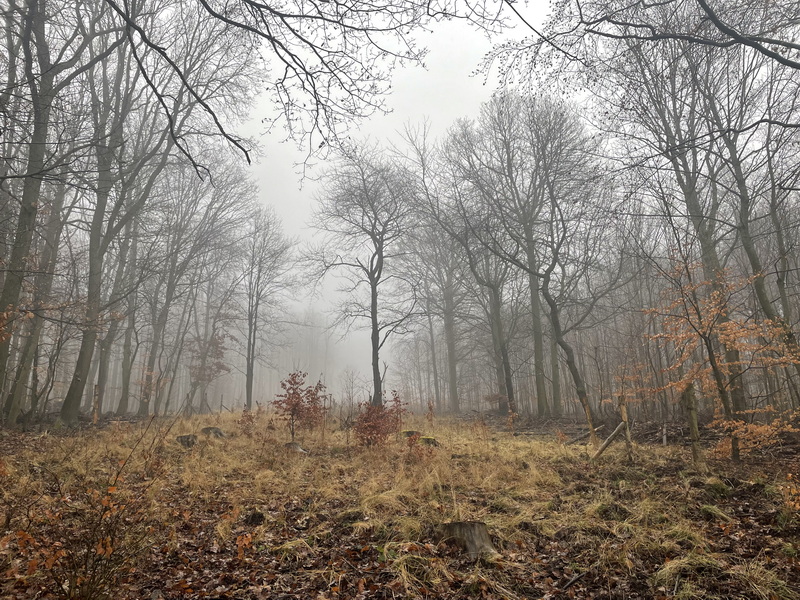
When the sky darkens and a soft, steady drizzle begins, nature seems to inhale a deep, refreshing sigh. The scent of wet earth—petrichor—rises like a quiet perfume, mingling with the faint, metallic tang of rain on leaves. Every blade of grass glistens, each droplet catching and refracting light into tiny, trembling prisms. Trees, cloaked in a veil of moisture, sway gently as if dancing to an unseen rhythm, while the forest floor transforms into a mosaic of shimmering puddles that mirror the muted canopy above. The usual chorus of birds and insects is subdued, replaced by the gentle patter of rain on foliage, the occasional splash of a frog leaping into a puddle, and the distant rumble of thunder that rolls like a low, soothing drum.
Beyond the immediate sensory feast, rain bestows a subtle, restorative vigor on the landscape. It quenches thirsty roots, coaxing seedlings to push through the soil and prompting mosses to unfurl in luxuriant emerald carpets. Streams swell with newfound vigor, their currents singing a brighter, more urgent song that carries sediment downstream, reshaping riverbanks and nourishing wetlands. In this temporary, mist‑laden world, the ordinary is rendered extraordinary; the familiar becomes poetic, and the rhythm of rain reminds us that even the most tranquil scenes are alive with movement, growth, and the promise of renewal.