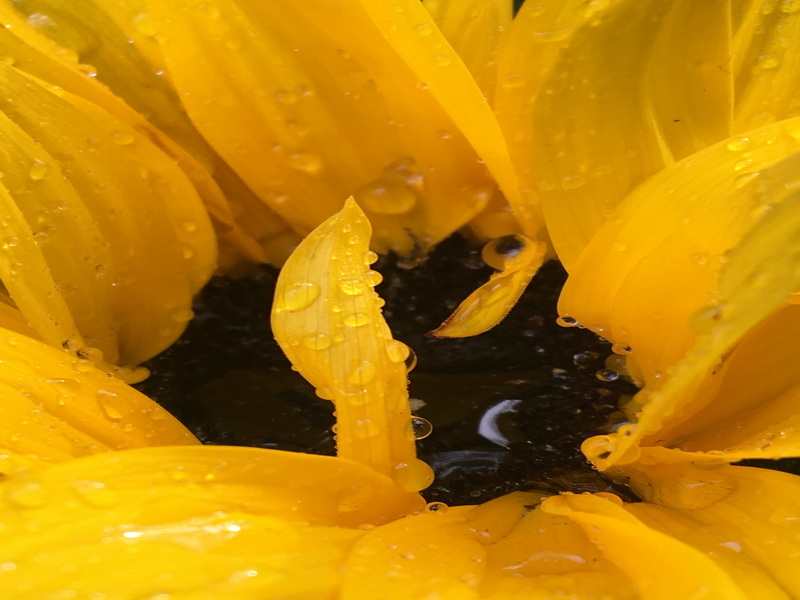
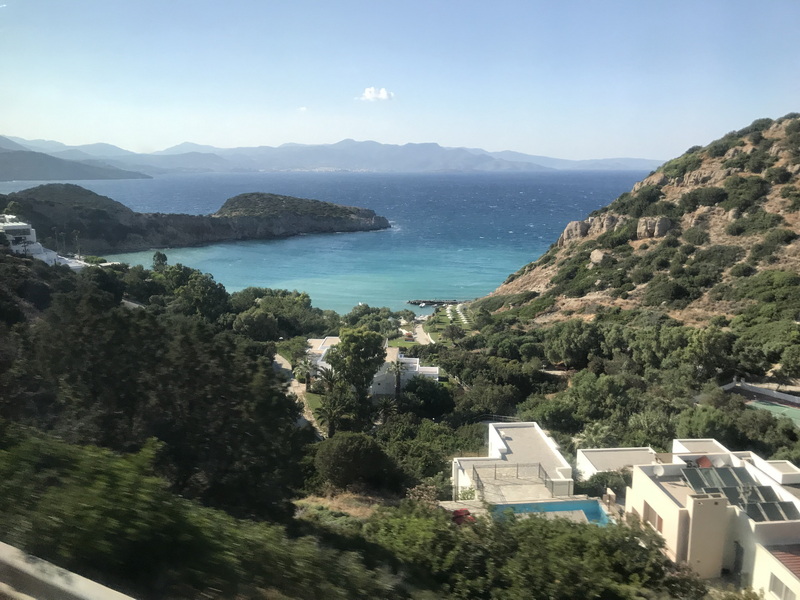
Seascapes from a trip to the Greek island of Crete.
5 Hits
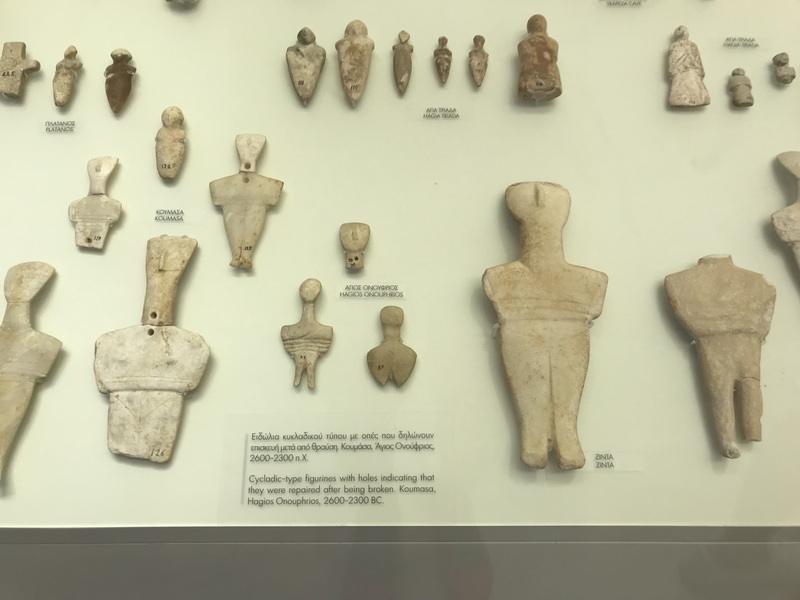
Nestled in the bustling heart of Crete's capital, the Heraklion Archaeological Museum stands as a luminous portal to the island's millennia-long dialogue between myth and history. Housed in a sleek, early-20th-century neoclassical building, the museum's eight galleries unfold like a meticulously curated narrative, beginning with the austere bronze age and culminating in the vibrant mosaics of the Roman period. Visitors are first drawn to the dazzling display of Minoan masterpieces – the golden harp of Malia, the delicate ivory seal‑boxes of Zakros, and, most famously, the enigmatic “Snake Goddess” statues that seem to pulse with the same ritual fervor that once filled the palace at Knossos. Each artifact is contextualized with carefully designed dioramas and multimedia panels, allowing the viewer to imagine the bustling courts, agricultural terraces, and seafaring caravans that once defined Minoan life.
Beyond the Minoan treasures, the museum offers a captivating glimpse into later epochs: the elegant marble kouroi and kore figures of the Classical era, the intricate metalwork of the Hellenistic period, and a stunning collection of Roman mosaics that still retain their original chromatic brilliance. The final rooms, dedicated to Byzantine and Venetian artifacts, reveal how successive cultures layered their identities on top of the island's ancient foundations, forging the eclectic Crete known today. Whether you are a seasoned archaeologist or a curious traveler, a stroll through the Heraklion Archaeological Museum feels less like a tour and more like an intimate conversation with the souls who shaped the Mediterranean cradle of civilization – a dialogue that continues to echo through the museum’s polished floors and sun‑lit atriums.
Archeologické muzeum v Heraklionu, zasazené do rušného srdce hlavního města Kréty, představuje zářivou bránu k tisíciletím trvajícímu dialogu mezi mýtem a historií. Muzeum sídlí v elegantní neoklasicistní budově z počátku 20. století a jeho osm galerií se odvíjí jako pečlivě sestavený příběh, počínaje strohou dobou bronzovou a vrcholící zářivými mozaikami římského období. Návštěvníky nejprve upoutá oslnivá přehlídka mínojských mistrovských děl – zlatá harfa z Malie, jemné slonovinové pečetidla ze Zakrosu a nejznámější jsou záhadné sochy „Hadové bohyně“, které jako by pulzovaly stejnou rituální horlivostí, jaká kdysi naplňovala palác v Knóssu. Každý artefakt je zasazen do kontextu s pečlivě navrženými dioramaty a multimediálními panely, které divákovi umožňují představit si rušné dvory, zemědělské terasy a námořnické karavany, které kdysi definovaly mínojský život. Kromě mínojských pokladů nabízí muzeum podmanivý pohled do pozdějších epoch: elegantní mramorové figurky kuroi a kore z klasické éry, složité kovové práce z helénistického období a úžasnou sbírku římských mozaik, které si dodnes zachovávají svou původní chromatickou brilanci. Poslední místnosti, věnované byzantským a benátským artefaktům, odhalují, jak po sobě jdoucí kultury vrstvily své identity na starověké základy ostrova a utvářely eklektickou Krétu, jakou známe dnes. Ať už jste zkušený archeolog nebo zvědavý cestovatel, procházka Archeologickým muzeem v Heraklionu se méně podobá prohlídce a spíše intimnímu rozhovoru s dušemi, které utvářely středomořskou kolébku civilizace – dialogu, který se i nadále ozývá v leštěných podlahách muzea a sluncem zalitých atriích.
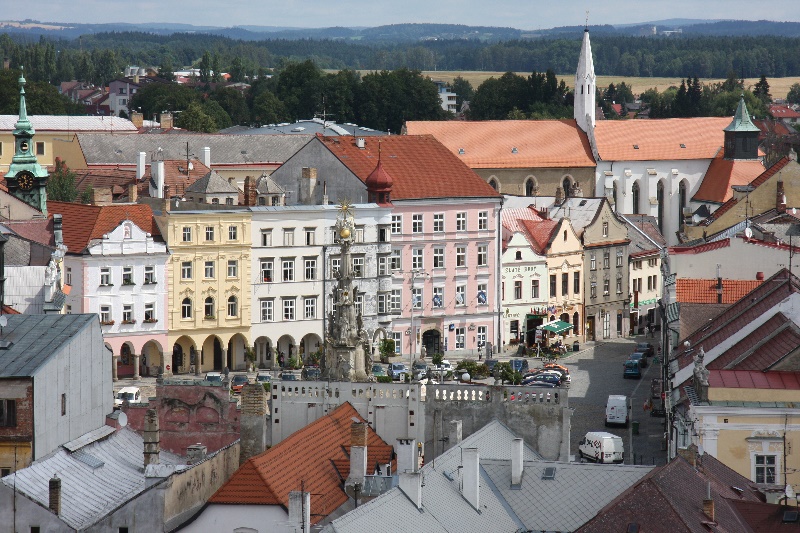
Jindřichův Hradec, perched on the gently winding river Otava in the heart of South Bohemia, is a charming blend of medieval grandeur and vibrant modern life. Founded in the 13th century by the noble Přemyslid family, the town quickly grew around the imposing Jindřichův Hradec Castle, an architectural palimpsest that showcases Gothic foundations, Renaissance façades and Baroque interiors—all of which are still open to visitors via a series of meticulously restored rooms and a panoramic tower offering sweeping views of the surrounding countryside. The historic centre, a UNESCO‑registered urban monument reservation, is a maze of cobbled streets lined with huskily painted facades, the late‑Gothic Church of St. Julius, and the iconic Town Hall whose clock tower chimes the rhythm of daily life.
Beyond its stone heritage, Jindřichův Hradec pulses with cultural vitality: the annual “Festival of the Seven Gates” re‑enacts medieval pageantry, while the Museum of Southern Bohemia houses an impressive collection of folk art, glassware and archaeological finds that trace the region’s evolution from prehistoric settlements to the vibrant trading hub it became in the 16th century. The town’s riverside promenade, dotted with cozy cafés and artisanal breweries, invites both locals and tourists to linger over a glass of locally brewed pilsner while watching swans glide across the Otava’s mirrored surface.
Today, Jindřichův Hradec is not merely a relic of the past; it is a living showcase of Czech resilience and creativity, where history is woven into everyday life, and where every stone, river bend, and festival sparkles with the promise of discovery. Whether you are a history buff, an architecture aficionado, or simply a wanderer seeking authentic Bohemian charm, Jindřichův Hradec offers an unforgettable tableau of the Czech Republic’s rich tapestry.
Jindřichův Hradec, ležící na mírně klikaté řece Otavě v srdci jižních Čech, je okouzlující směsicí středověké vznešenosti a pulzujícího moderního života. Město, založené ve 13. století šlechtickým rodem Přemyslovců, se rychle rozrostlo kolem impozantního hradu Jindřichův Hradec, architektonického palimpsestu, který prezentuje gotické základy, renesanční fasády a barokní interiéry – to vše je dodnes přístupné návštěvníkům prostřednictvím řady pečlivě zrestaurovaných místností a panoramatické věže s úchvatným výhledem na okolní krajinu. Historické centrum, zapsané na seznamu UNESCO, je bludištěm dlážděných uliček lemovaných jemně malovanými fasádami, pozdně gotickým kostelem sv. Julia a ikonickou radnicí, jejíž hodinová věž odbíjí rytmus každodenního života. Kromě kamenného dědictví Jindřichův Hradec pulzuje kulturní vitalitou: každoroční „Festival Sedmi bran“ znovu uvádí středověkou okázalost, zatímco Muzeum jižních Čech uchovává působivou sbírku lidového umění, skla a archeologických nálezů, které sledují vývoj regionu od pravěkých osad až po pulzující obchodní centrum, kterým se stal v 16. století. Městská promenáda u řeky, posetá útulnými kavárnami a řemeslnými pivovary, zve místní obyvatele i turisty k posezení u sklenky místního plzeňského piva a sledování labutí klouzajících po zrcadlové hladině Otavy. Jindřichův Hradec dnes není jen pozůstatkem minulosti; je to živoucí přehlídka české odolnosti a kreativity, kde je historie vetkána do každodenního života a kde každý kámen, říční ohyb a festival třpytí se příslibem objevování. Ať už jste milovníkem historie, architektury nebo jen poutníkem hledajícím autentické české kouzlo, Jindřichův Hradec nabízí nezapomenutelnou ukázku bohaté tapiserie České republiky.
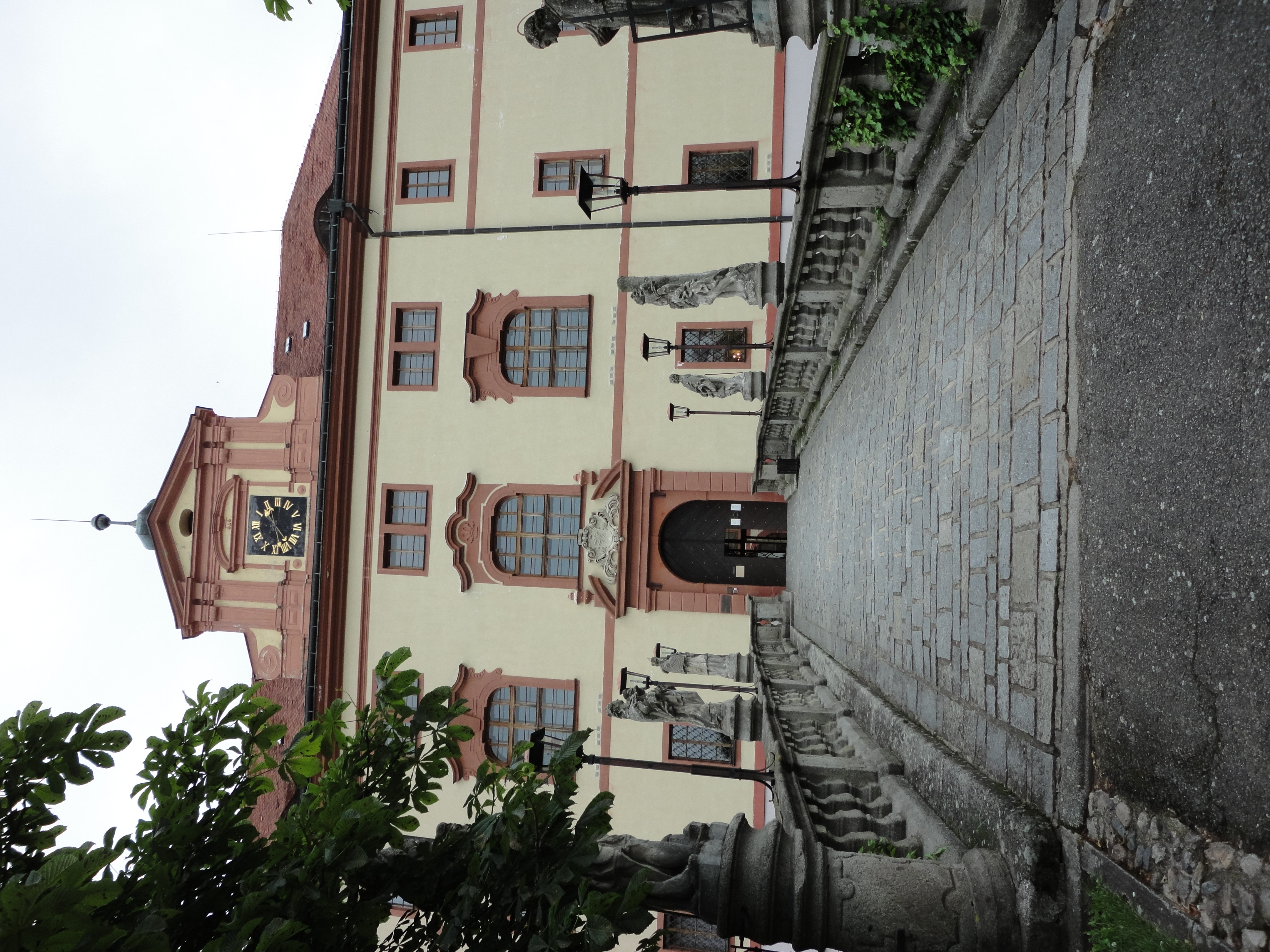
Nestled in the serene landscapes of the South Bohemian Region of the Czech Republic, Castle Lnáře stands as a magnificent testament to the region's aristocratic past.Originally constructed in the late 16th century as a Renaissance residence for the noble Zmrzlík of Svojšín family, the château elegantly blends the ordered grace of its original design with the later, more ornate flourishes of Baroque reconstruction in the 18th century. Its most celebrated feature is the stunning arcaded courtyard, a two-story Renaissance gallery whose arches are supported by ornate pillars, creating a harmonious and theatrical space. This courtyard is further adorned with exceptional sgraffito decorations and, most notably, a remarkable cycle of illusory frescoes on the first-floor arcade, depicting mythological scenes and architectural vistas that play with the viewer's perception.
While the exterior presents a formidable yet graceful facade, the interiors once boasted lavish Baroque and Rococo stucco work and painted ceilings, many of which have been preserved or restored. The castle's history is intricately linked to the tumultuous periods of Czech history, from the ravages of the Thirty Years' War to the dissolution of noble estates in the 20th century. Today, after careful restoration, Castle Lnáře has found a noble new purpose. It serves as a specialized retirement home, allowing its historic walls to continue a story of community and care. This adaptive reuse not only ensures the preservation of this cultural monument but also offers the public occasional opportunities to view its architectural treasures during targeted events, making Lnáře a living piece of heritage where history continues to unfold in a contemporary setting.
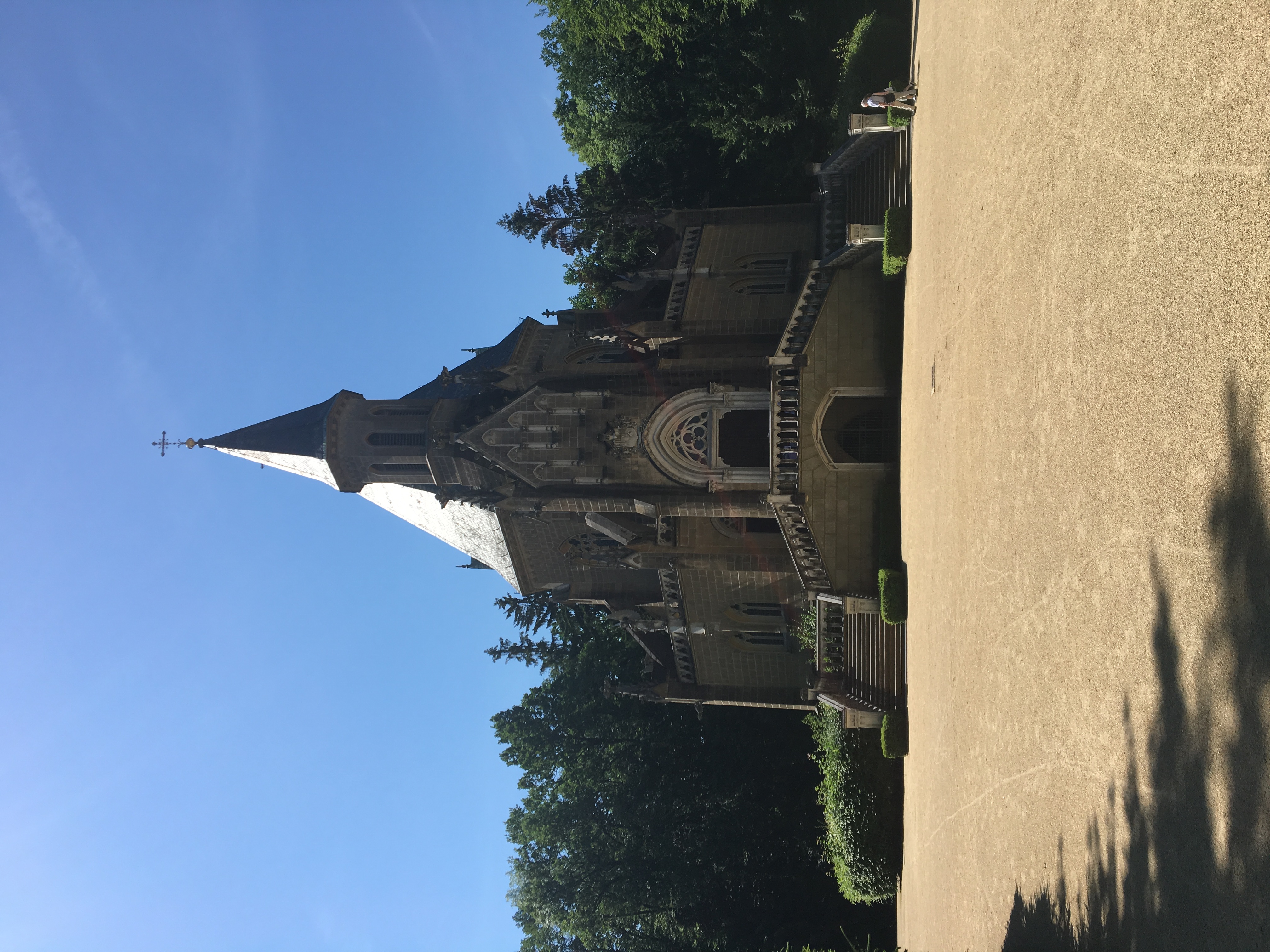
Nestled within the picturesque town of Třeboň in the South Bohemian region of the Czech Republic, the Schwarzenberg Tomb stands as a poignant testament to the enduring legacy of one of Europe's most prominent noble families. This Neo-Gothic mausoleum, constructed in the late 19th century, serves as the final resting place for generations of the Schwarzenberg dynasty, whose influence shaped the political and cultural landscape of Central Europe for centuries. Designed by architect Johann Schmidt, the tomb's solemn, chapel-like structure, with its intricate stonework and elegant arches, creates an atmosphere of serene reverence. More than a mere burial site, it is a powerful symbol of aristocratic heritage, artfully blending spiritual contemplation with historical narrative. Today, preserved as a significant cultural monument, the tomb invites visitors to step into a quiet corner of history, reflecting on the passage of time and the lasting imprints left by those who once wielded great power and patronage.
Schwarzenberská hrobka, zasazená do malebného města Třeboň v jihočeském kraji České republiky, je dojemným svědectvím o trvalém odkazu jedné z nejvýznamnějších evropských šlechtických rodin. Toto novogotické mauzoleum, postavené na konci 19. století, slouží jako místo posledního odpočinku pro generace Schwarzenberské dynastie, jejíž vliv po staletí formoval politickou a kulturní krajinu střední Evropy. Slavnostní, kapli připomínající hrobka, navržená architektem Johannem Schmidtem, s propracovaným kamenným zdivem a elegantními oblouky vytváří atmosféru klidné úcty. Je to více než jen pouhé pohřebiště, ale silný symbol aristokratického dědictví, které umělecky propojuje duchovní rozjímání s historickým vyprávěním. Dnes je hrobka chráněna jako významná kulturní památka a zve návštěvníky, aby vstoupili do tichého koutu historie, zamysleli se nad plynutím času a trvalými otisky, které zanechali ti, kteří kdysi ovládali velkou moc a mecenášství.

Nestled in the scenic town of Benešov nad Ploučnicí, just a short drive from the border town of Děčín in the Czech Republic’s Ústí nad Labem Region, lies a historically rich and visually striking castle. The origins of Benešov Castle date back to the 13th or 14th century, its medieval fortress roots later transformed into a Renaissance masterpiece beginning in the 15th century. The structure boasts a distinctive three-wing layout, a prominent round tower, and a surrounding moat, all of which reflect its layered architectural evolution. Over centuries, the castle witnessed turbulent events, including damage during the Thirty Years’ War (1618–1648) and subsequent restoration efforts that preserved its character. Notably, the 19th century saw the building repurposed as a prison under the Habsburg regime. A major 1970s renovation revitalized the site, repurposing the castle into a cultural and historical hub. Today, it stands as a museum and event space, hosting exhibitions, concerts, and reenactments that celebrate the region’s heritage. Visitors are drawn to its cobbled courtyards, period furnishings, and panoramic views of the Ploučnice River valley, making it a must-see destination for history enthusiasts and those eager to explore the quiet charm of northern Bohemia.
V malebném městečku Benešov nad Ploučnicí, jen kousek jízdy od hraničního města Děčín v Ústeckém kraji v České republice, se nachází historicky bohatý a vizuálně působivý hrad. Počátky hradu Benešov sahají do 13. nebo 14. století, jeho středověké pevnostní kořeny se později, od 15. století, proměnily v renesanční mistrovské dílo. Stavba se pyšní charakteristickým trojkřídlým půdorysem, výraznou kulatou věží a okolním příkopem, což vše odráží jeho vrstevnatý architektonický vývoj. V průběhu staletí byl hrad svědkem bouřlivých událostí, včetně poškození během třicetileté války (1618–1648) a následných restaurátorských prací, které zachovaly jeho charakter. Za habsburského režimu byla budova v 19. století přeměněna na vězení. Rozsáhlá rekonstrukce v 70. letech 20. století toto místo oživila a proměnila ho v kulturní a historické centrum. Dnes slouží jako muzeum a prostor pro pořádání akcí, kde se konají výstavy, koncerty a rekonstrukce oslavující dědictví regionu. Návštěvníky lákají dlážděné nádvoří, dobový nábytek a panoramatické výhledy na údolí řeky Ploučnice, což z něj činí destinaci, kterou musí navštívit milovníci historie a ti, kteří touží prozkoumat klidné kouzlo severních Čech.
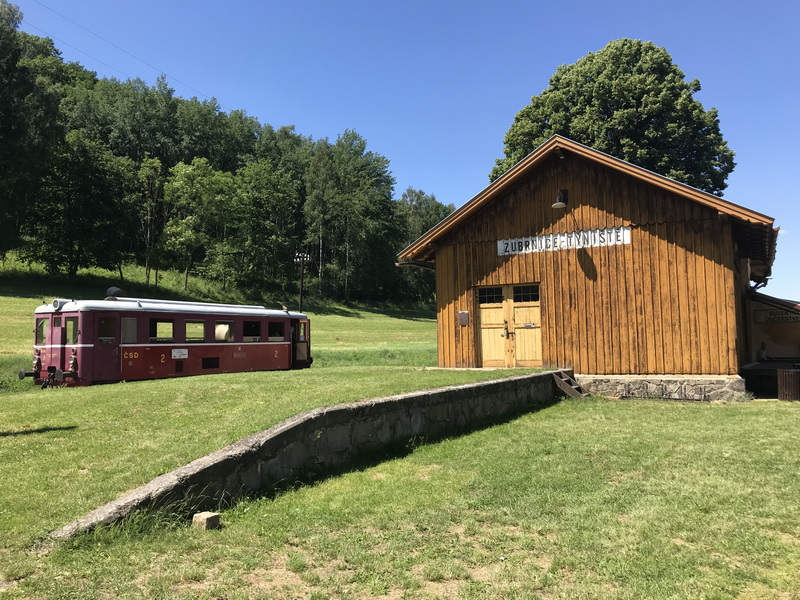
Tucked away in the picturesque village of Zubrnice, Czech Republic, lies a unique and fascinating attraction - the Railway Museum Zubrnice. This charming museum showcases a stunning collection of historic locomotives and railway equipment, offering a glimpse into the region's rich railway heritage. The museum's crown jewel is the remarkably preserved narrow-gauge railway, which dates back to the early 20th century. Visitors can take a leisurely ride on the vintage train, chugging along the scenic tracks that wind through the rolling countryside. As they explore the museum, enthusiasts and families alike can discover an array of intriguing exhibits, including meticulously restored carriages, locomotives, and even a vintage railway station. With its captivating blend of history, nostalgia, and scenic beauty, the Railway Museum Zubrnice is a must-visit destination for anyone interested in trains, transportation, or simply experiencing the authentic charm of rural Czech Republic. Whether you're a railway aficionado or just looking for a unique and enjoyable outing, this hidden gem is sure to delight and inspire.
V malebné vesničce Zubrnice v České republice se nachází unikátní a fascinující památka - Železniční muzeum Zubrnice. Toto okouzlující muzeum představuje úžasnou sbírku historických lokomotiv a železniční techniky a nabízí pohled do bohatého železničního dědictví regionu. Klenotem muzea je pozoruhodně zachovalá úzkokolejka z počátku 20. století. Návštěvníci se mohou projet historickým vlakem po malebných tratích vinoucích se zvlněnou krajinou. Při prohlídce muzea mohou nadšenci i rodiny objevit řadu zajímavých exponátů, včetně pečlivě zrestaurovaných vagónů, lokomotiv a dokonce i historického nádraží. Železniční muzeum Zubrnice je díky své podmanivé směsici historie, nostalgie a malebné krásy nezbytnou destinací pro každého, kdo se zajímá o vlaky, dopravu nebo jen chce zažít autentické kouzlo českého venkova. Ať už jste železniční nadšenec, nebo jen hledáte jedinečný a příjemný výlet, tento skrytý klenot vás jistě potěší a inspiruje.

Vraty (also Rattenstein or Pustý Zámek) is a fortified site considered to be an extinct castle about 2 km southwest of the village of Těchlovice in the Děčín district. The site is located on a promontory that extends on the northern side of Buková hora at an altitude of 500 m above sea level. According to the conclusion of the archaeological survey, the site was not a castle, but a refuge There are no known written sources that would relate to the site. August Sedláček connected the site with the unknown Vraty castle,[2] which is mentioned in 1404 as the inheritance of Kačna of Rychenburk. However, most archaeological finds date the creation of the castle to the second half of the 13th century and its extinction to the first third of the 14th century, which contradicts Sedláček's claim. The entrance to the promontory was probably protected by a moat, which disappeared during the construction of the current road. The southern part of the site is damaged by modern interventions and does not allow for a closer reconstruction of the form. It is assumed that there was a building in the southern part of the area. The northern part consists of a prominent rocky knoll without traces of construction. The rocky ridge above the road was probably not part of the fortified area
Vraty (též Rattenstein nebo Pustý Zámek) je opevněná lokalita považovaná za zaniklý hrad asi 2 km jihozápadně od obce Těchlovice v okrese Děčín. Místo se nachází na ostrožně, která vybíhá na severní straně z Bukové hory v nadmořské výšce 500 m n. m. Podle závěru archeologického průzkumu lokalita nebyla hradem, ale refugiem
Nejsou známé žádné písemné prameny, které by se k lokalitě vztahovaly. August Sedláček místo spojil s neznámým hradem Vraty,[2] který je v roce 1404 zmiňován jako dědictví Kačny z Rychenburka. Většina archeologických nálezů však vznik hradu datuje do druhé poloviny 13. století a zánik již do první třetiny 14. století, což je v rozporu se Sedláčkovým tvrzením.
Vstup na ostrožnu pravděpodobně chránil šíjový příkop, který zanikl při stavbě současné cesty. Jižní část lokality je poškozena novověkými zásahy a neumožňuje bližší rekonstrukci podoby. Předpokládá se v ní stavba v jižní části plochy. Severní část tvoří výrazný skalní suk beze stop zástavby. Skalnatý hřeben nad cestou pravděpodobně nebyl součástí opevněného areálu

Nestled in the picturesque landscapes of the Czech Republic, Marienbad (Mariánské Lázně) stands as a timeless haven of wellness, history, and architectural elegance. Renowned for its thermal springs and therapeutic properties, this spa town has captivated visitors since the 19th century, drawing European nobility and literary figures seeking respite and rejuvenation. Its name, derived from St. Mary (Marien in German), reflects its long-standing tradition of devotion and healing. The town’s 42 thermal springs, some reaching temperatures up to 68°C, are celebrated for their mineral-rich waters, offering relief for ailments ranging from joint pain to respiratory conditions. Beyond the water, Marienbad enchants with its preserved Art Nouveau spa architecture—grand terraces, promenades, and the iconic Kurhaus concert hall, where daily musical performances echo the era of imperial elegance. Surrounded by the Bohemian Forest’s rolling hills, it blends natural beauty with a rich cultural legacy. Today, Marienbad remains a premier destination for holistic wellness, combining modern therapies—such as mud baths, massage, and hydrotherapy—with its historic charm. Whether strolling along the tree-lined Goldenes Tor promenade or sipping mineral water in a cozy café, visitors find themselves immersed in an atmosphere of timeless relaxation. Marienbad is not merely a spa town but a sanctuary where nature, history, and healing converge.
Mariánské Lázně, zasazené do malebné krajiny České republiky, představují nadčasové útočiště wellness, historie a architektonické elegance. Toto lázeňské město, proslulé svými termálními prameny a léčivými vlastnostmi, okouzluje návštěvníky již od 19. století a přitahuje evropskou šlechtu a literární osobnosti hledající odpočinek a omlazení. Jeho název, odvozený od jména sv. Marie (německy Marien), odráží jeho dlouholetou tradici oddanosti a léčení. Město má 42 termálních pramenů, z nichž některé dosahují teploty až 68 °C, které jsou proslulé svou minerální vodou a nabízejí úlevu od neduhů od bolestí kloubů až po dýchací potíže. Kromě vody Mariánské Lázně okouzlují i zachovalou secesní lázeňskou architekturou – velkolepými terasami, promenádami a ikonickým koncertním sálem Kurhaus, kde denní hudební vystoupení odrážejí éru císařské elegance. Obklopené zvlněnými kopci Šumavy, spojují přírodní krásy s bohatým kulturním dědictvím. Mariánské Lázně jsou dnes přední destinací pro holistické wellness a kombinují moderní terapie – jako jsou bahenní koupele, masáže a hydroterapie – se svým historickým kouzlem. Ať už se procházíte po stromy lemované promenádě Goldenes Tor nebo popíjíte minerální vodu v útulné kavárně, návštěvníci se ocitnou ponořeni do atmosféry nadčasové relaxace. Mariánské Lázně nejsou jen lázeňským městem, ale útočištěm, kde se prolíná příroda, historie a léčitelství.

Karlovy Vary, known in German as Karlsbad, is a sparkling jewel nestled in the western foothills of the Ore Mountains in the Czech Republic. Founded in the 14th century by Charles IV, Holy Roman Emperor, the town quickly earned a reputation as a therapeutic haven thanks to its twelve mineral springs, whose warm, slightly alkaline waters—rich in sodium bicarbonate, calcium, and trace elements—have been prized for their curative properties for more than six hundred years. The springs flow openly through the historic centre, feeding elegant colonnades, ornate pavilions, and the famous “Miller’s Row” (Mlynská kolonáda), where visitors can sample the water straight from the taps, a ritual that has become an integral part of the city’s cultural identity.
Beyond its spa legacy, Karlovy Vary dazzles with an eclectic architectural tapestry that reflects the ebb and flow of European tastes. The grandiose Neo‑Renaissance and Art Nouveau façades of the Grandhotel Pupp, the Roman‑style colonnades, and the intimate Baroque churches coexist with sleek, modernist structures, creating a visual narrative that spans centuries. The city’s cultural calendar is anchored by the annual Karlovy Vary International Film Festival, one of Central Europe’s most prestigious cinematic events, which transforms the town into a bustling crossroads of filmmakers, stars, and cinephiles each summer.
The surrounding landscape adds another layer of allure. Rolling hills cloaked in spruce forests, the misty panorama of the Teplá River, and the nearby Slavkovský zámek (Schloss Slavkov) make Karlovy Vary a haven for hikers, cyclists, and nature lovers alike. Together with its celebrated porcelain—delicately painted, hand‑crafted pieces that echo the city’s refined aesthetic—Karlovy Vary offers a seamless blend of natural wellness, historical grandeur, and contemporary cultural vibrancy, inviting every visitor to sip, stroll, and savor a piece of Central European heritage.
Karlovy Vary, v němčině známé jako Karlsbad, jsou třpytivým klenotem zasazeným na západním úpatí Krušných hor v České republice. Město, založené ve 14. století Karlem IV., císařem Svaté říše římské, si rychle vydobylo pověst léčebného ráje díky svým dvanácti minerálním pramenům, jejichž teplé, mírně zásadité vody – bohaté na hydrogenuhličitan sodný, vápník a stopové prvky – jsou pro své léčivé vlastnosti ceněny již více než šest set let. Prameny volně protékají historickým centrem a napájejí elegantní kolonády, zdobené pavilony a slavnou „Mlynářskou kolonádu“, kde si návštěvníci mohou ochutnat vodu přímo z kohoutků, což je rituál, který se stal nedílnou součástí kulturní identity města. Kromě svého lázeňského dědictví Karlovy Vary oslňují eklektickou architektonickou tapiserií, která odráží příliv a odliv evropského vkusu. Grandhotel Pupp v grandiózním novorenesančním a secesním stylu, kolonády v románském stylu a intimní barokní kostely koexistují s elegantními modernistickými stavbami a vytvářejí vizuální příběh, který se rozprostírá napříč staletími. Kulturní kalendář města je ukotven v každoročním Mezinárodním filmovém festivalu v Karlových Varech, jedné z nejprestižnějších filmových akcí ve střední Evropě, která každé léto proměňuje město v rušnou křižovatku filmařů, hvězd a filmových fanoušků. Okolní krajina dodává Karlovým Varům další vrstvu kouzla. Zvlněné kopce zahalené do smrkových lesů, mlhavé panorama řeky Teplé a nedaleký Slavkovský zámek dělají z Karlových Varů ráj pro turisty, cyklisty i milovníky přírody. Spolu s oslavovaným porcelánem – jemně malovanými, ručně vyráběnými kousky, které odrážejí vytříbenou estetiku města – Karlovy Vary nabízejí bezproblémovou směs přírodního wellness, historické vznešenosti a současné kulturní vitality, která zve každého návštěvníka k popíjení, procházce a vychutnávání si kousku středoevropského dědictví.
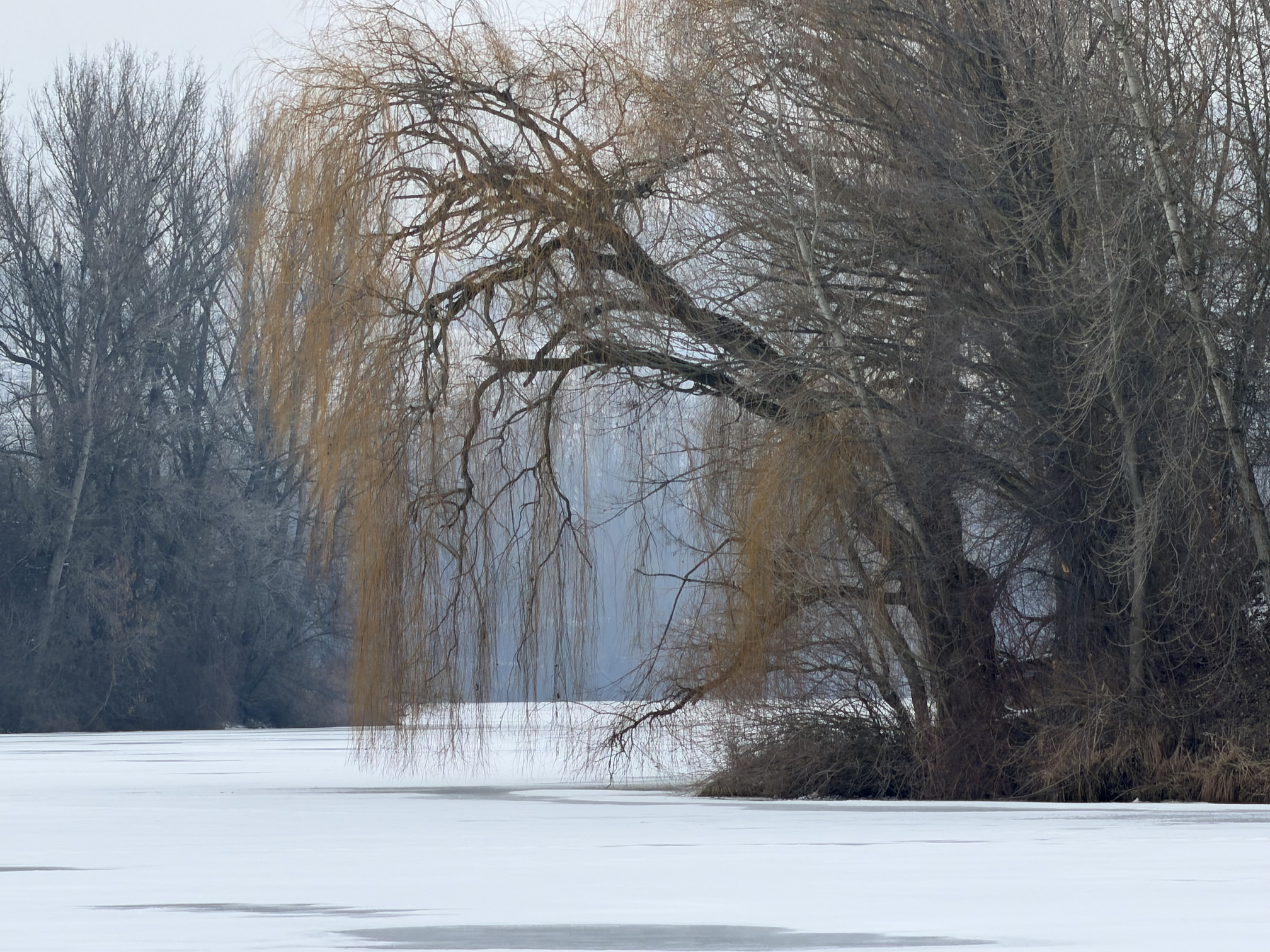
Nestled in the quiet embrace of the Czech countryside, Žernosek Lake transforms into a serene winter wonderland as temperatures drop and snow blankets the surrounding landscape. Frozen solid under crisp morning skies, the lake becomes a mirror of stillness, reflecting bare tree branches dusted with frost and the soft glow of low winter sunlight. Locals and visitors alike are drawn to its peaceful solitude—some to brave the cold with ice skating or quiet fishing through holes chiseled in the thick ice, others simply to walk the snow-laden trails that trace its banks. The air is hushed, broken only by the occasional crack of shifting ice or the call of a distant woodpecker. In these tranquil months, Žernosek Lake offers not just natural beauty, but a rare sense of calm, where time slows down and the rhythms of nature take center stage.
Žernoské jezero, zasazené v tichém objetí české krajiny, se s klesajícími teplotami a sněhovou přikrývkou na okolní krajinu proměňuje v poklidnou zimní říši divů. Pod svěží ranní oblohou se jezero promění v zrcadlo ticha, odrážející holé větve stromů pokryté mrazem a měkkou záři nízkého zimního slunce. Místní obyvatele i návštěvníky láká jeho klidná samota – někteří se tu statečně uchylují k bruslení nebo tichému rybaření skrz díry vytesané v silném ledu, jiní se prostě jen procházejí po zasněžených stezkách, které vedou podél jeho břehů. Vzduch je tichý, přerušuje ho jen občasné praskání pohybujícího se ledu nebo volání vzdáleného datla. V těchto klidných měsících nabízí Žernoské jezero nejen přírodní krásy, ale i vzácný pocit klidu, kdy se čas zpomaluje a do centra pozornosti dostává rytmus přírody.
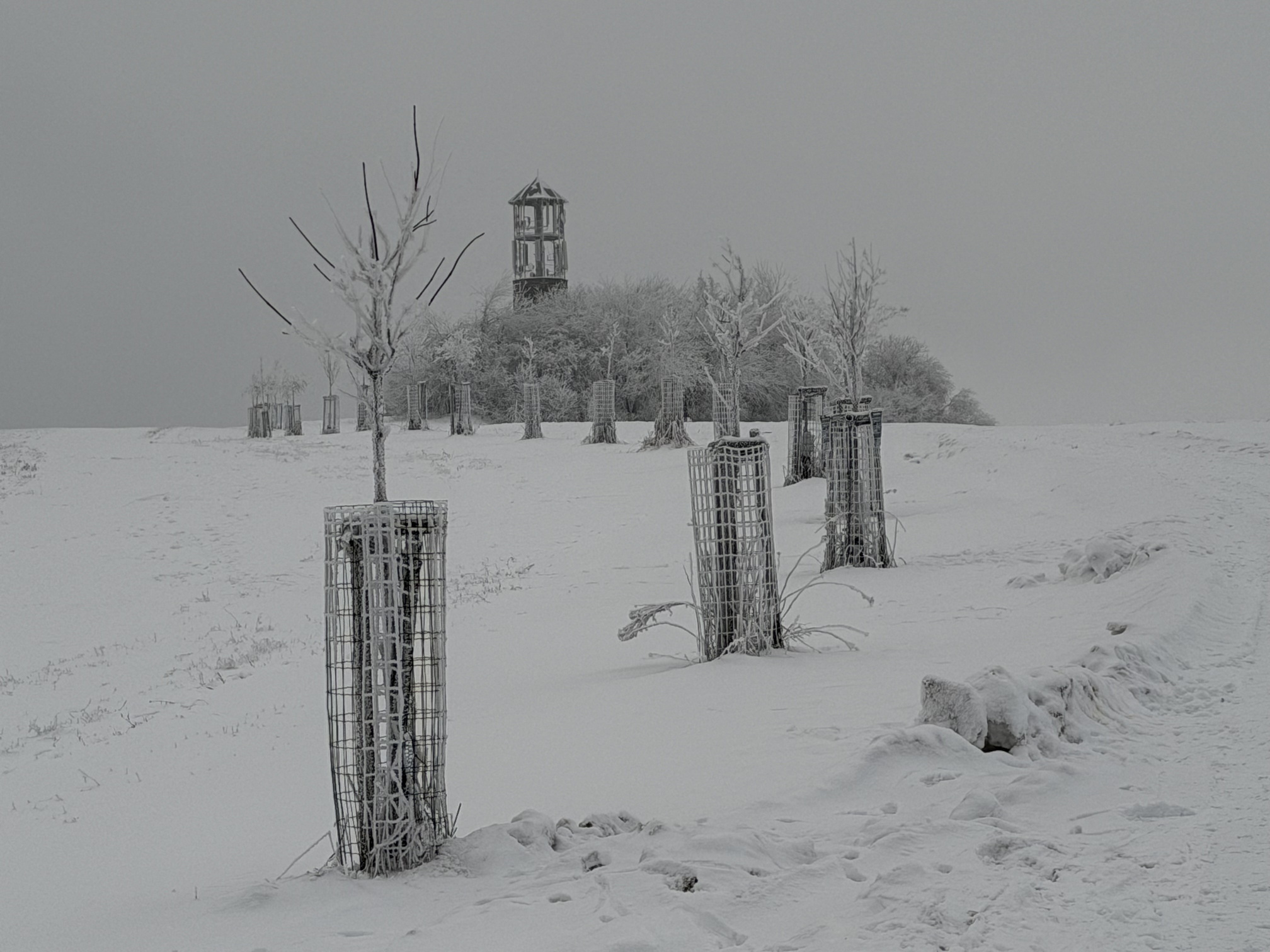
Perched atop the scenic Vítová Hill near the charming village of Lovečkovice in the Ústí nad Labem Region of the Czech Republic, the Vítova Lookout Tower offers visitors a captivating blend of natural beauty, historical intrigue, and panoramic vistas. Originally constructed in the late 19th century as a wooden observation tower, the current stone structure was rebuilt in the early 20th century and has since become a beloved landmark in the Křivoklát Highlands. Standing at an elevation of 638 meters, the tower affords breathtaking 360-degree views stretching across lush forests, rolling hills, and distant castles, including glimpses of Křivoklát Castle on clear days. A popular destination for hikers and nature enthusiasts, the site is accessible via well-marked trails and features a small refreshment stand during peak seasons. With its peaceful atmosphere and historical charm, the Vítova Lookout Tower in Lovečkovice is a perfect retreat for those seeking to connect with nature and enjoy a sweeping perspective of one of Bohemia's most picturesque landscapes.
Rozhledna Vítová, tyčící se na vrcholu malebného kopce Vítová nedaleko půvabné vesničky Lovečkovice v Ústeckém kraji v České republice, nabízí návštěvníkům podmanivou směsici přírodní krásy, historických zajímavostí a panoramatických výhledů. Původně postavená na konci 19. století jako dřevěná rozhledna, současná kamenná stavba byla přestavěna na začátku 20. století a od té doby se stala oblíbenou dominantou Křivoklátské vrchoviny. Rozhledna se nachází v nadmořské výšce 638 metrů a nabízí úchvatné 360stupňové výhledy na bujné lesy, zvlněné kopce a vzdálené hrady, za jasných dnů včetně záblesků hradu Křivoklát. Místo je oblíbeným cílem turistů a milovníků přírody, přístupné po dobře značených stezkách a v hlavní sezóně nabízí malý stánek s občerstvením. Rozhledna Vítová v Lovečkovicích je díky své klidné atmosféře a historickému kouzlu ideálním útočištěm pro ty, kteří se chtějí spojit s přírodou a vychutnat si úchvatný výhled na jednu z nejmalebnějších českých krajin.
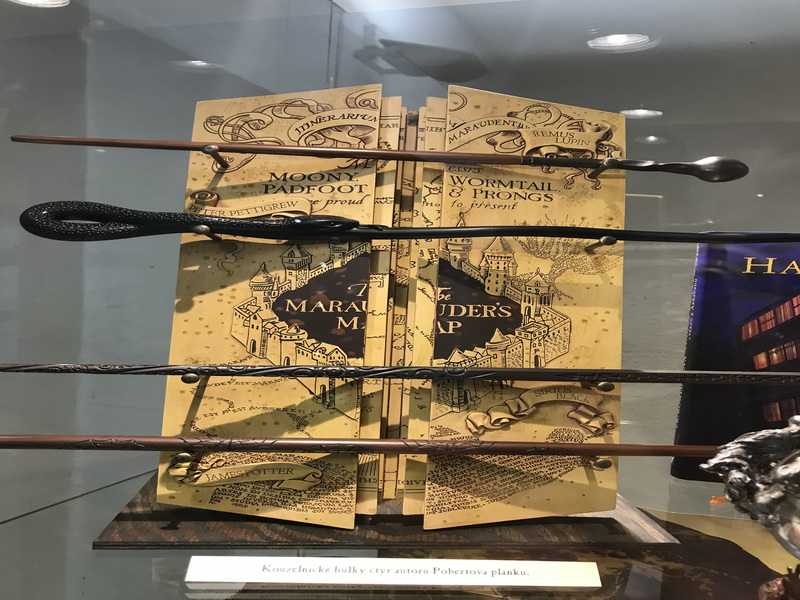
Hidden in a modest, red‑brick townhouse on the banks of the River Elbe in Děčín, a quiet frenzy of magic unfolds every weekend. The private “Harry Potter Archive” – the brainchild of lifelong fan‑collector Jana Kovářová – has quietly become one of the Czech Republic’s most treasured, albeit unofficial, homages to J.K. Rowling’s wizarding world. Since its inception in 2015, the collection has swelled from a handful of second‑hand paperback copies to a dazzling inventory of more than 800 items, ranging from a pristine first‑edition UK hardback of Harry Potter and the Philosopher’s Stone (signed on the flyleaf by a visiting author) to an authentic replica of Ollivander’s wand shop sign, painstakingly reconstructed from original set photographs.
The heart of the archive is a dimly lit, oak‑paneled library where glass‑encased artifacts sit alongside handwritten notes from Czech fan clubs dating back to the early 2000s. Visitors can marvel at a hand‑stitched Gryffindor scarf knitted by a local craft guild, peruse a collection of limited‑edition Goblet of Fire chess pieces commissioned by the Prague International Book Fair, and even peer into a small, climate‑controlled vault that houses a rare “Triwizard Tournament” prop – the golden egg originally used in the 2005 European convention tour. Kovářová, a former elementary school teacher turned literary archivist, curates each piece with a scholar’s precision, cataloguing provenance, acquisition story, and the emotional resonance it holds for Czech readers who grew up reading the series in translated form.
Beyond its material allure, the Děčín collection has sparked a modest but palpable cultural ripple. Local schools now organize literary‑themed field trips, and an annual “Wizarding Weekend” draws hundreds of fans who gather for potions‑themed workshops, trivia duels, and a midnight screening of Harry Potter and the Deathly Hallows – Part 2 projected against the historic Děčín Castle walls. While the archive remains private – entry is by invitation only – its existence underscores how a global phenomenon can seed intimate, community‑building treasures far from the tourist throngs of London or New York. In the quiet corners of Děčín, the magic of Hogwarts lives on, whispered through the rustle of parchment and the soft glow of enchanted lanterns.
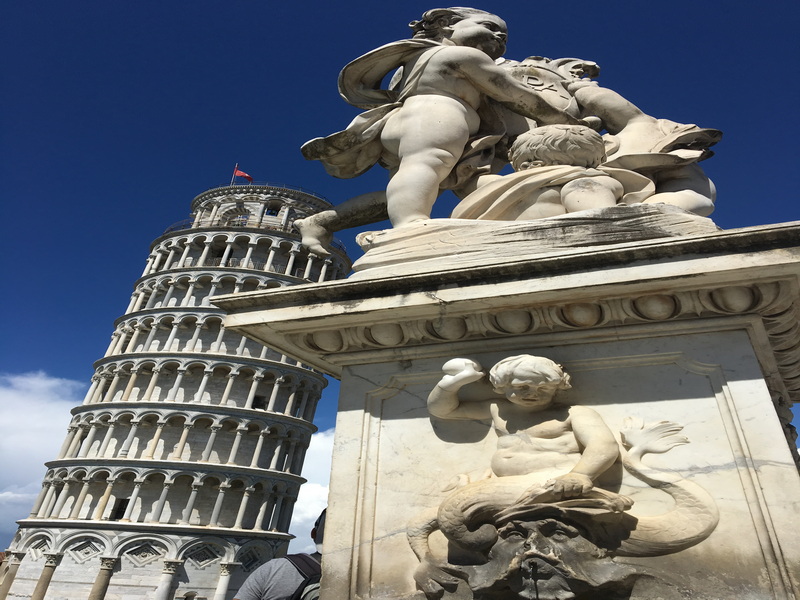
Pisa, a charming city located in the Tuscany region of Italy, is renowned for its rich history, stunning architecture, and breathtaking landscapes. The city's most iconic landmark, the Leaning Tower of Pisa, is a marvel of medieval engineering that has been fascinating visitors for centuries. This tilted tower, which is actually the bell tower of the Pisa Cathedral, was built in the 12th century and began to lean due to the soft ground it was constructed on. Despite its precarious stance, the tower has become a symbol of Pisa and a must-visit attraction for anyone traveling to the city. Beyond the tower, Pisa boasts a wealth of cultural and historical treasures, including the Piazza dei Miracoli, a UNESCO World Heritage site that is home to the cathedral, the baptistery, and other stunning examples of Romanesque architecture. With its picturesque streets, charming piazzas, and stunning river views, Pisa is a city that seamlessly blends history, art, and natural beauty, making it a destination that is sure to leave a lasting impression on all who visit. Whether you're interested in history, architecture, or simply soaking up the laid-back Italian atmosphere, Pisa is a city that has something for everyone, and its unique charm is sure to captivate and inspire all who experience it.
Pisa, okouzlující město nacházející se v italském Toskánsku, je proslulé svou bohatou historií, úžasnou architekturou a dechberoucí krajinou. Nejznámější památkou města je šikmá věž v Pise, zázrak středověkého inženýrství, který fascinuje návštěvníky po staletí. Tato nakloněná věž, která je ve skutečnosti zvonicí katedrály v Pise, byla postavena ve 12. století a začala se naklánět kvůli měkkému terénu, na kterém byla postavena. Navzdory své nejisté poloze se věž stala symbolem Pisy a atrakcí, kterou musí navštívit každý, kdo do města cestuje. Kromě věže se Pisa pyšní množstvím kulturních a historických pokladů, včetně náměstí Piazza dei Miracoli, které je zapsáno na seznamu světového dědictví UNESCO a kde se nachází katedrála, křtitelnice a další úžasné příklady románské architektury. Díky malebným uličkám, okouzlujícím náměstím a úchvatným výhledům na řeku je Pisa městem, které bezproblémově propojuje historii, umění a přírodní krásy, což z něj činí destinaci, která jistě zanechá trvalý dojem na všechny návštěvníky. Ať už vás zajímá historie, architektura nebo si jen chcete vychutnat pohodovou italskou atmosféru, Pisa je město, které si najde to své a jeho jedinečné kouzlo jistě uchvátí a inspiruje všechny, kteří ho zažijí.
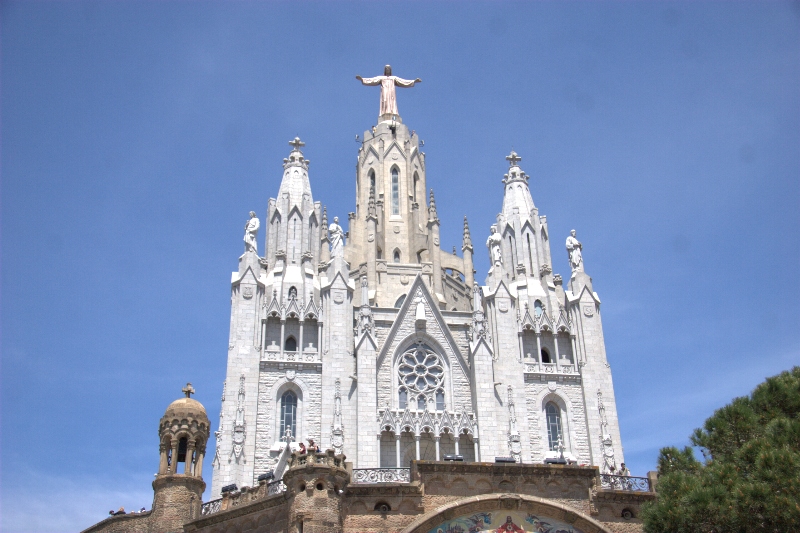
Nestled along the sun-kissed Mediterranean coast, Barcelona is a city where centuries-old charm meets avant-garde innovation. Renowned for its architectural masterpieces, the city is inextricably linked to the visionary works of Antoni Gaudí, whose whimsical creations—from the towering Sagrada Família to the mosaic-laden Park Güell—reimagine nature in stone and color. Beyond Gaudí’s legacy, Barcelona’s Gothic Quarter whispers tales of medieval history through its labyrinthine streets, while institutions like the Picasso Museum and the contemporary Fundació Joan Miró celebrate its deep-rooted artistic soul. The city thrives on a vibrant cultural tapestry: bustling markets like La Boqueria offer a sensory delight of fresh produce and local flavors, while the sun-drenched beaches of Barceloneta provide a modern, cosmopolitan escape. A hub for sports, fashion, and innovation, Barcelona balances tradition with forward-thinking energy, embodied in its dynamic festivals, Michelin-starred culinary scene, and UNESCO World Heritage neighborhoods. Here, every corner invites exploration, and every breeze carries the spirit of a city that dances between past and future—a true masterpiece in motion.
Barcelona, ležící na sluncem zalitém pobřeží Středozemního moře, je městem, kde se staleté kouzlo setkává s avantgardní inovací. Město je proslulé svými architektonickými mistrovskými díly a je neoddělitelně spjato s vizionářskými díly Antonia Gaudího, jehož rozmarné výtvory – od impozantní Sagrady Famílie až po mozaikami lemovaný Park Güell – ztvárňují přírodu v kameni a barvách. Kromě Gaudího odkazu šeptá barcelonská Gotická čtvrť svými labyrintovými uličkami příběhy středověké historie, zatímco instituce jako Picassovo muzeum a současná nadace Fundació Joan Miró oslavují její hluboce zakořeněnou uměleckou duši. Město vzkvétá díky živé kulturní tapiserii: rušné trhy jako La Boqueria nabízejí smyslové potěšení z čerstvých produktů a místních chutí, zatímco sluncem zalité pláže Barcelonety poskytují moderní, kosmopolitní únik. Barcelona, centrum sportu, módy a inovací, vyvažuje tradici s progresivní energií, ztělesněnou v dynamických festivalech, kulinářské scéně oceněné michelinským hvězdami a čtvrtích zapsaných na seznamu světového dědictví UNESCO. Zde každý kout zve k objevování a každý vánek nese ducha města, které tančí mezi minulostí a budoucností – skutečné mistrovské dílo v pohybu.

Each summer, the picturesque spa town of Mariánské Lázně in the Czech Republic becomes a nostalgic haven for automotive enthusiasts with its annual exhibition of vintage cars and motorcycles. Set against the backdrop of neoclassical colonnades and lush parks, the event transforms the historic streets into an open-air museum of automotive heritage. Classic vehicles from the early 20th century to the golden age of motoring gather here, showcasing gleaming pre-war coupes, elegant postwar sedans, and rare motorcycles that rumble with history. Owners and collectors from across Europe proudly present meticulously restored machines, sharing stories of engineering ingenuity and bygone adventures. Beyond the vehicles, the exhibition offers live music, period costumes, and guided tours, creating a vibrant atmosphere that bridges generations. This celebration of mechanical artistry not only honors the evolution of transportation but also highlights Mariánské Lázně’s enduring charm as a cultural and historical gem.
Každé léto se malebné lázeňské město Mariánské Lázně v České republice stává nostalgickým útočištěm pro automobilové nadšence díky každoroční výstavě historických vozů a motocyklů. Tato akce, zasazená do kulisy neoklasicistních kolonád a bujných parků, proměňuje historické ulice v muzeum automobilového dědictví pod širým nebem. Shromažďují se zde klasická vozidla od počátku 20. století až po zlatý věk motorismu, která předvádějí lesklé předválečné kupé, elegantní poválečné sedany a vzácné motocykly, které duní historií. Majitelé a sběratelé z celé Evropy hrdě prezentují pečlivě zrestaurované stroje a sdílejí příběhy o inženýrské vynalézavosti a minulých dobrodružstvích. Kromě vozidel nabízí výstava živou hudbu, dobové kostýmy a komentované prohlídky, které vytvářejí živou atmosféru, jež propojuje generace. Tato oslava mechanického umění nejen ctí vývoj dopravy, ale také zdůrazňuje trvalé kouzlo Mariánských Lázní jako kulturního a historického klenotu.
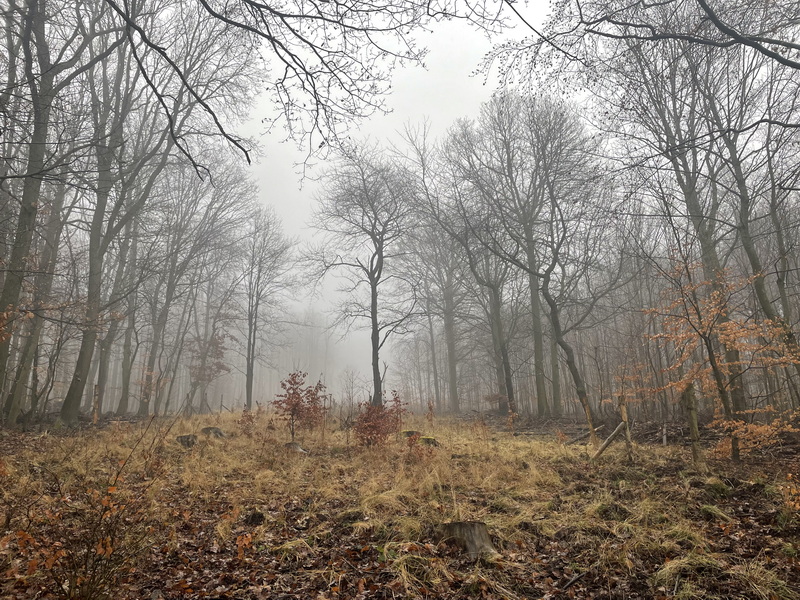
When the sky darkens and a soft, steady drizzle begins, nature seems to inhale a deep, refreshing sigh. The scent of wet earth—petrichor—rises like a quiet perfume, mingling with the faint, metallic tang of rain on leaves. Every blade of grass glistens, each droplet catching and refracting light into tiny, trembling prisms. Trees, cloaked in a veil of moisture, sway gently as if dancing to an unseen rhythm, while the forest floor transforms into a mosaic of shimmering puddles that mirror the muted canopy above. The usual chorus of birds and insects is subdued, replaced by the gentle patter of rain on foliage, the occasional splash of a frog leaping into a puddle, and the distant rumble of thunder that rolls like a low, soothing drum.
Beyond the immediate sensory feast, rain bestows a subtle, restorative vigor on the landscape. It quenches thirsty roots, coaxing seedlings to push through the soil and prompting mosses to unfurl in luxuriant emerald carpets. Streams swell with newfound vigor, their currents singing a brighter, more urgent song that carries sediment downstream, reshaping riverbanks and nourishing wetlands. In this temporary, mist‑laden world, the ordinary is rendered extraordinary; the familiar becomes poetic, and the rhythm of rain reminds us that even the most tranquil scenes are alive with movement, growth, and the promise of renewal.
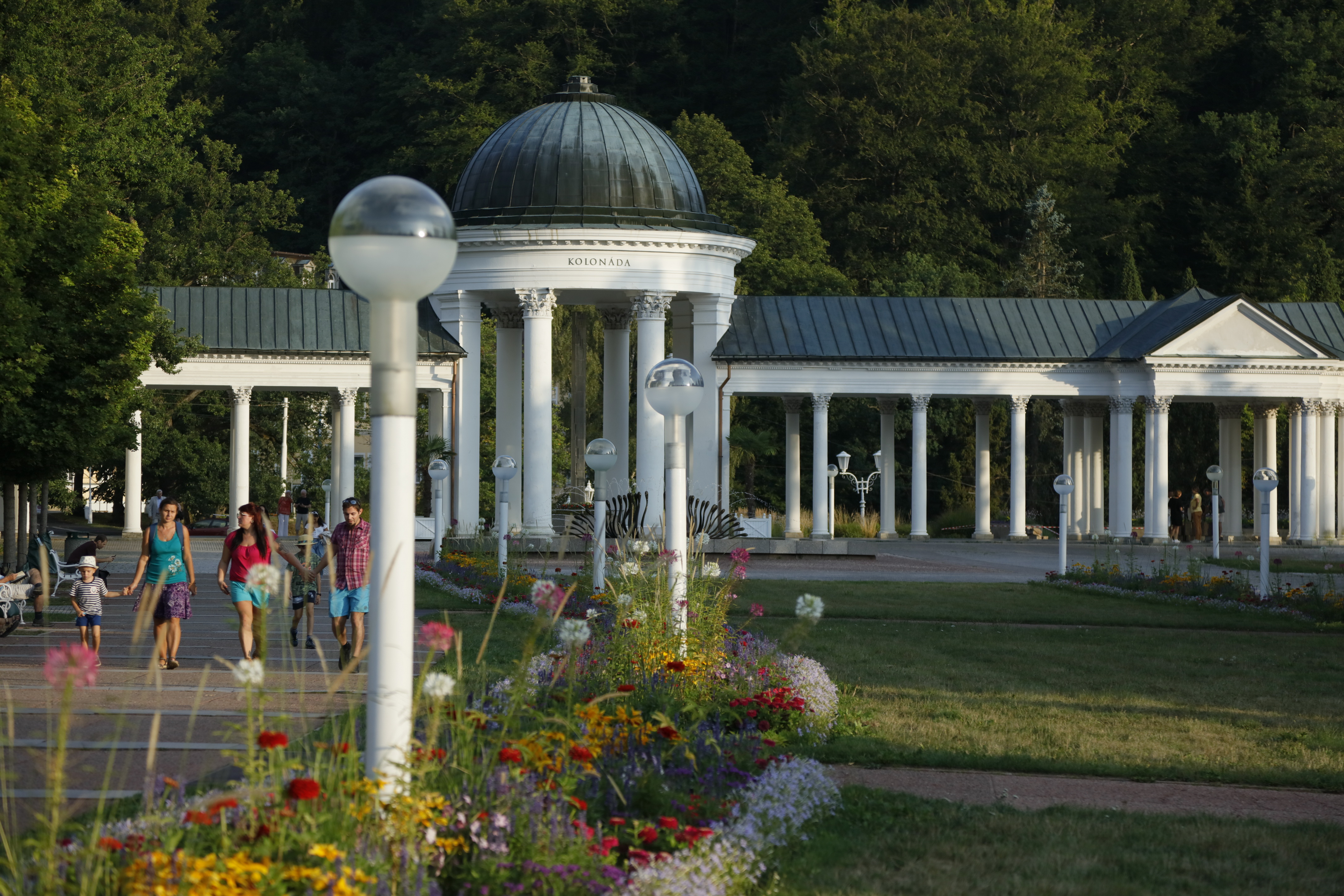
Nestled in the scenic hills of western Bohemia in the Czech Republic, Mariánské Lázně (Marienbad in German) is one of Europe’s most elegant and historic spa towns. Renowned for its healing thermal springs, mild climate, and lush green parks, the town has attracted visitors seeking wellness and rejuvenation since the 19th century. Its origins as a spa destination trace back to the early 1200s, but it was during the 1800s that Mariánské Lázně flourished under aristocratic patronage, drawing emperors, artists, and intellectuals such as Goethe, Beethoven, and Chopin. Today, the town impresses with its neoclassical and Art Nouveau architecture, tree-lined colonnades, and 100 natural mineral springs, including the famous Rusalka fountain. Surrounded by the rolling hills of the Slavkov Forest, it offers not only wellness treatments but also tranquil walks, cultural events, and a timeless charm that blends relaxation with refined elegance.
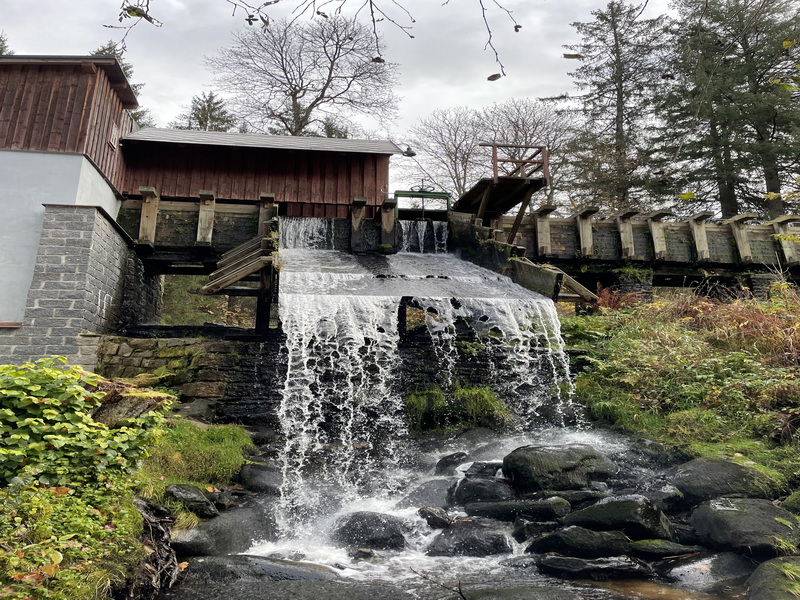
Čenkova pila, located in the heart of the Šumava mountain range in the Czech Republic, is a historically significant site that reflects the rich natural and cultural heritage of the region. Nestled in a remote, forested valley near the German border, this abandoned sawmill was once a bustling center of timber processing, fueled by the fast-flowing streams of the area. Established in the 18th century, Čenkova pila operated for generations, supporting the local economy through the logging and woodworking industries that thrived in Šumava. Today, only remnants of the mill and surrounding worker cabins remain, slowly being reclaimed by nature. These ruins are now protected within the Šumava National Park, serving as a poignant reminder of the region’s industrial past and its transition toward preservation and ecological restoration. Hikers and nature enthusiasts visiting the site can explore the peaceful valley, where the sounds of the flowing water and rustling forest contrast with the echoes of a bygone era, making Čenkova pila a compelling destination for those interested in history, nature, and the quiet beauty of the Bohemian wilderness.
Čenkova pila, nacházející se v srdci Šumavy v České republice, je historicky významné místo, které odráží bohaté přírodní a kulturní dědictví regionu. Tato opuštěná pila, zasazená v odlehlém zalesněném údolí poblíž německých hranic, byla kdysi rušným centrem zpracování dřeva, poháněným rychle tekoucími potoky v této oblasti. Čenkova pila, založená v 18. století, fungovala po generace a podporovala místní ekonomiku prostřednictvím těžby dřeva a dřevařského průmyslu, které na Šumavě vzkvétaly. Dnes z pily zbyly pouze zbytky mlýna a okolních dělnických chatrčí, které příroda pomalu znovu získává zpět. Tyto ruiny jsou nyní chráněny v Národním parku Šumava a slouží jako dojemná připomínka průmyslové minulosti regionu a jeho přechodu k ochraně přírody a ekologické obnově. Turisté a milovníci přírody, kteří toto místo navštíví, mohou prozkoumat klidné údolí, kde zvuky tekoucí vody a šustění lesa kontrastují s ozvěnami minulých dob, což z Čenkovy pily dělá lákavý cíl pro ty, kteří se zajímají o historii, přírodu a tichou krásu české divočiny.
3DVRVIDEO.NET - Virtual reality video production and editing - email: info@3dvrvideo.net Phone: +420 739464317 , 731262167